
Trope explainer
Enemies to Lovers vs. Rivals to Lovers: Choosing Your Kind of Tension
The difference between competing for something and having a reason not to trust each other.
Enemies to lovers and rivals to lovers overlap, but they do not make the same promise. Rivals usually want the same position, prize, client, or advantage. Their conflict has an arena. Enemies have a broader reason to oppose or distrust one another: a past hurt, incompatible loyalties, or a belief that the other person threatens something important.
Neither label tells you how harsh the conflict will be. A lively professional disagreement and a dangerous supernatural investigation can both sit under an enemies-to-lovers heading. The description matters.
Rivalry puts competence under pressure
A rivalry works especially well when attraction grows alongside respect. The characters notice how well the other person performs, even when that performance threatens their own plans. Sports, work, and wedding responsibilities give them reasons to keep crossing paths.
If you want competitive banter without assuming serious hostility, start with Rivals to Lovers. Then look for the setting you enjoy. A team rivalry creates different obligations from a dispute between two people managing the same event.
Hostility needs a believable change
In an enemies-to-lovers premise, the question is not simply when the characters will kiss. It is what changes their understanding of each other. New information, shared work, accountability, or a shift in loyalties can make that movement convincing.
A useful description should tell you what the original conflict is. If the blurb only promises that they hate each other, keep reading the available sample before deciding whether the tone suits you. Labels are a starting point, not a substitute for the story’s actual stakes.
Book examples to explore

The Best Woman
Riley Kendra’s The Best Woman brings two women with an unresolved engagement-party clash to a Lake Como wedding. They represent different brides and disagree about how to protect them. The listing uses both Enemies to Lovers and Rivals to Lovers, showing how personal history and competing responsibilities can occupy the same story.
Publisher description & reading options ↗
The Other Goalie
Chase Power’s The Other Goalie makes the competition concrete: Callum and Nico are goalies on the same team, and there is only one starting position. Their previous encounter complicates the rivalry. Look here for professional respect, contract pressure, and a secret relationship alongside the competitive setup.
Publisher description & reading options ↗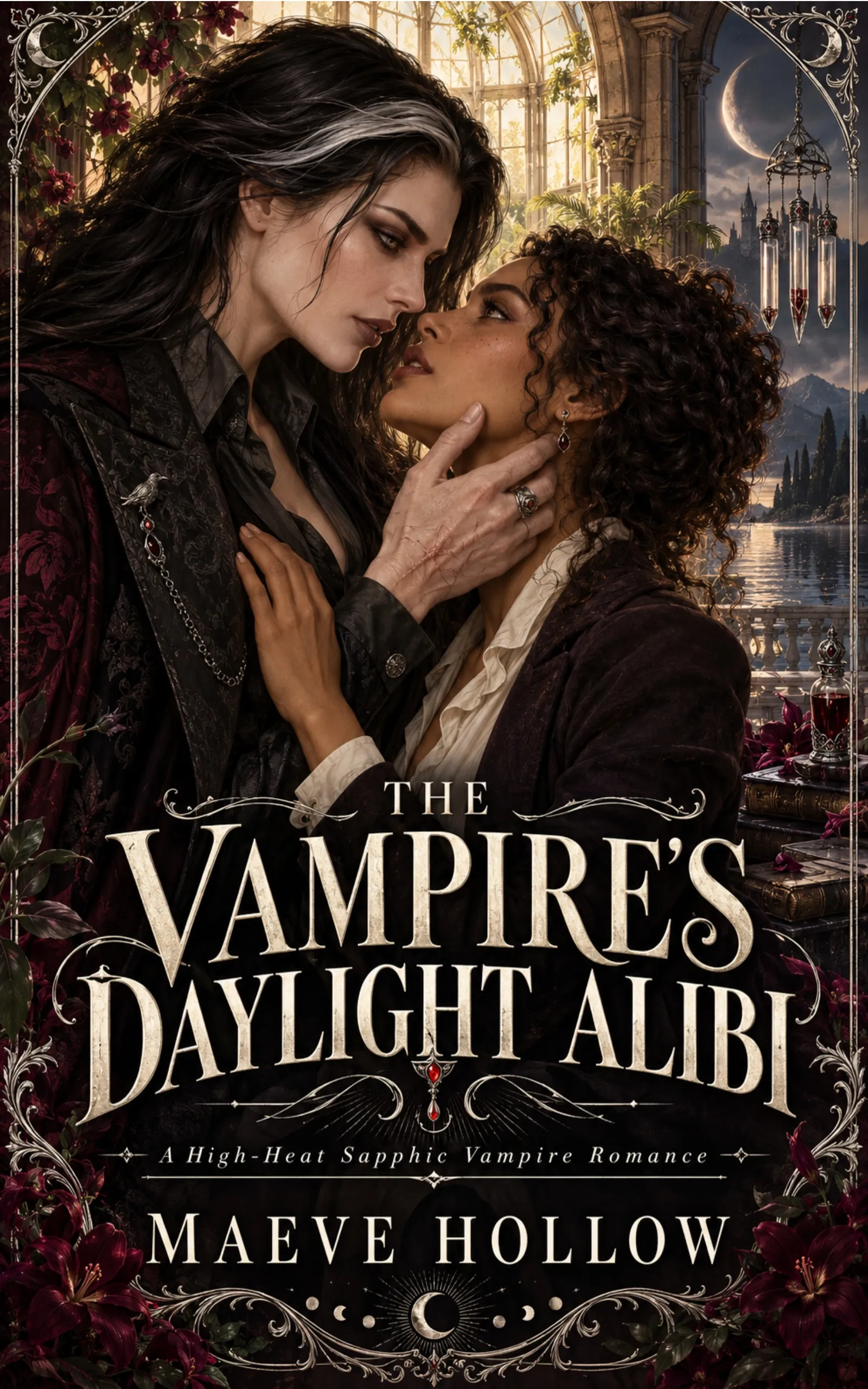
The Vampire's Daylight Alibi
Maeve Hollow’s The Vampire’s Daylight Alibi brings a scientist and an accused vampire magistrate together during a murder investigation. Its enemies-to-lovers tag sits beside a ticking-clock mystery and forced proximity. The attraction operates inside distrust and danger, rather than a shared competition for a sporting role.
Publisher description & reading options ↗Build a search around your mood
Choose either trope, or select both with “Any of these” to browse the overlap without requiring every book to carry both labels. Add a pairing first if that is non-negotiable. Use genre to distinguish a romantic comedy from romantic suspense or paranormal romance before narrowing further.
Browse enemies and rivals to lovers →Common questions
Can one book be both enemies and rivals to lovers?
Yes. Characters can compete in the same arena and also carry a personal grievance. Publishers do not always draw the boundary in the same place.
Does enemies to lovers mean dark romance?
No. The trope can appear in comedy, contemporary romance, fantasy, or suspense. Genre and content notes give you information the relationship label cannot.
These examples come from Fractal Enigma’s catalog and are based on publisher descriptions and tags, not full-book reviews. TropeScout is a Fractal Enigma project. Read the sample and content notes to decide whether a book is right for you.