
Sapphic reading guide
Sapphic Romantic Suspense: Cold Cases, Forbidden Alliances, and Women Under Pressure
Choose a mystery-driven romance by the danger, professional conflict, and relationship history you want.
Sapphic romantic suspense places a developing or changing relationship between women alongside danger, investigation, or a threat that must be resolved. The attraction is not happening in a vacuum. A case, a secret, or a person at risk keeps asking the characters to make decisions with consequences beyond their private lives.
The category can include cold cases, professional rivals, secret relationships, and reunions complicated by an unresolved past. This guide focuses on contemporary examples involving investigations and legal or police work. It explains how to choose among those premises without spoiling their solutions, and why a promise of romance does not tell you how much violence, grief, or institutional conflict the journey contains.
Choose your starting point
| If you want | Look for this setup | Book to explore |
|---|---|---|
| History in the case and the couple | Cold case and reunion | The Case We Buried |
| Private involvement meets official duty | An internal investigation | Internal Affairs |
| Professional adversaries | Detective and defense attorney | The Last Credible Witness |
Decide whether the relationship or the case should lead your interest
Some readers arrive for the mystery and want a romance that deepens it. Others arrive for the couple and enjoy external stakes that keep them under pressure. A publisher’s description can suggest the balance by showing how the case and the relationship affect one another, although it cannot provide a precise page-by-page ratio.
Look for a concrete connection. Does a lead become a witness or suspect? Does a shared past change how evidence is interpreted? Does professional responsibility limit what the women can tell each other? Those connections make the romance and suspense interact rather than merely occupy the same book.
If you strongly prefer one side of the balance, read the sample. The opening’s focus, narrative voice, and treatment of procedural detail can help you judge whether the approach interests you.
A cold case gives the past an active role
A cold-case premise introduces more than an old puzzle. It can bring earlier decisions, loyalties, and failures into the present. If the romantic leads also share history, reopening the investigation may force them to reconsider their understanding of each other at the same time.
That combination can be especially appealing in a second-chance story. The characters are not simply remembering a relationship; they may be learning that the circumstances surrounding it were incomplete or misunderstood. Familiarity can help them work together while also making trust more difficult.
Choose Cold Case and Second Chance Romance together only if both are essential. A cold-case book does not automatically involve former lovers, and a reunion does not automatically contain an investigation. The specific premise should establish the overlap.
Professional conflict can make disclosure the real obstacle
A detective, attorney, investigator, or witness may have obligations that prevent unrestricted sharing. In a romance, that creates a painful difference between withholding information out of mistrust and being unable to disclose it. The characters may want closeness while recognizing that private access can complicate their work.
For readers, this is a different tension from ordinary miscommunication. The obstacle is not necessarily that someone refuses to ask an obvious question; it may be that asking or answering has consequences. A convincing premise makes those pressures legible.
Read fiction’s professional conflicts as part of the story rather than as instructions about real practice. For choosing a book, the useful question is whether you enjoy secrets constrained by work, public scrutiny, and competing loyalties.
Enemies, rivals, and secret partners bring different kinds of trust
Two professional adversaries may respect each other’s abilities while distrusting each other’s conclusions. Two former lovers may know each other intimately but disagree about what happened in the past. Two secret partners may already have private trust that becomes unstable when their work collides.
Those setups change what the reader waits for. An adversarial pair may need to revise a judgment; exes may need accountability; established secret partners may need to decide whether their relationship can survive public consequences. Attraction alone cannot answer all three questions.
Use Enemies to Lovers, Rivals to Lovers, Exes Reunited, or Secret Relationship to narrow the emotional structure you want. Avoid piling them together unless the publisher’s premise actually supports that combination.
Threat level and heat level need separate checks
Romantic suspense may contain murder, injury, stalking, captivity, coercion, harassment, or grief. The presence of a caring partner or an eventual happy ending does not remove those elements. Conversely, a suspense premise does not tell you how explicit the romance will be.
The examples here are high-heat publisher listings. Their content notes also describe substantial external conflict. If you are choosing a book for a particular evening’s mood, check both kinds of information rather than letting one rating stand in for the whole experience.
Spoiler sensitivity can make this awkward. You can often read the premise and content notes without learning the solution, but those notes may still reveal categories of events. Decide how much advance information helps you enjoy a story, and use the level of detail that suits you.
Build a shortlist around a case type and a relationship question
Start with Sapphic · FF and Romantic Suspense in the genre filter. Then choose one relationship element: a reunion, an age gap, professional rivalry, or a secret affair. That produces a more coherent shortlist than simply combining every suspense-adjacent trope.
Read each result for the actual stakes. Is the danger directed at one lead? Is the case tied to a mentor or a past conviction? Is the relationship new, resumed, or already established in private? These details help you avoid choosing several books that share a label but offer the wrong kind of tension.
The examples below describe only their published setups. They do not identify culprits, explain final evidence, or claim a procedural accuracy review. Their purpose is to help you choose which premise you want to enter.
Book examples to explore
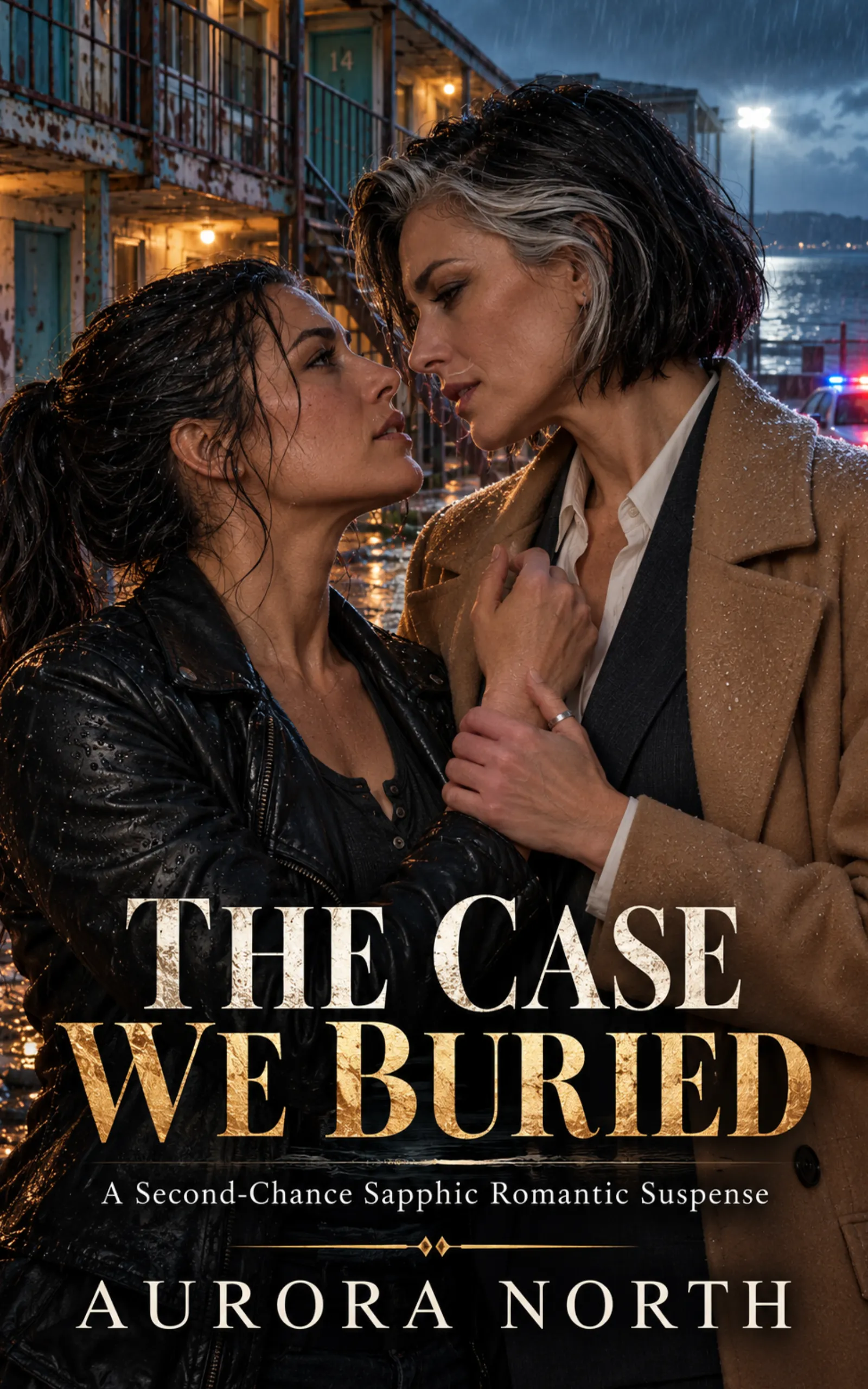
The Case We Buried
The Case We Buried by Aurora North brings Alex and Helena back together around a reopened cold case. Its catalog tags include Cold Case, Exes Reunited, Second Chance Romance, and Small Town.
Explore it if you want the past to matter in both the investigation and the relationship. The appeal of this combination is the possibility that reopening one story also makes the characters reconsider another, rather than treating the case as a separate adventure beside the romance.
Publisher description & reading options ↗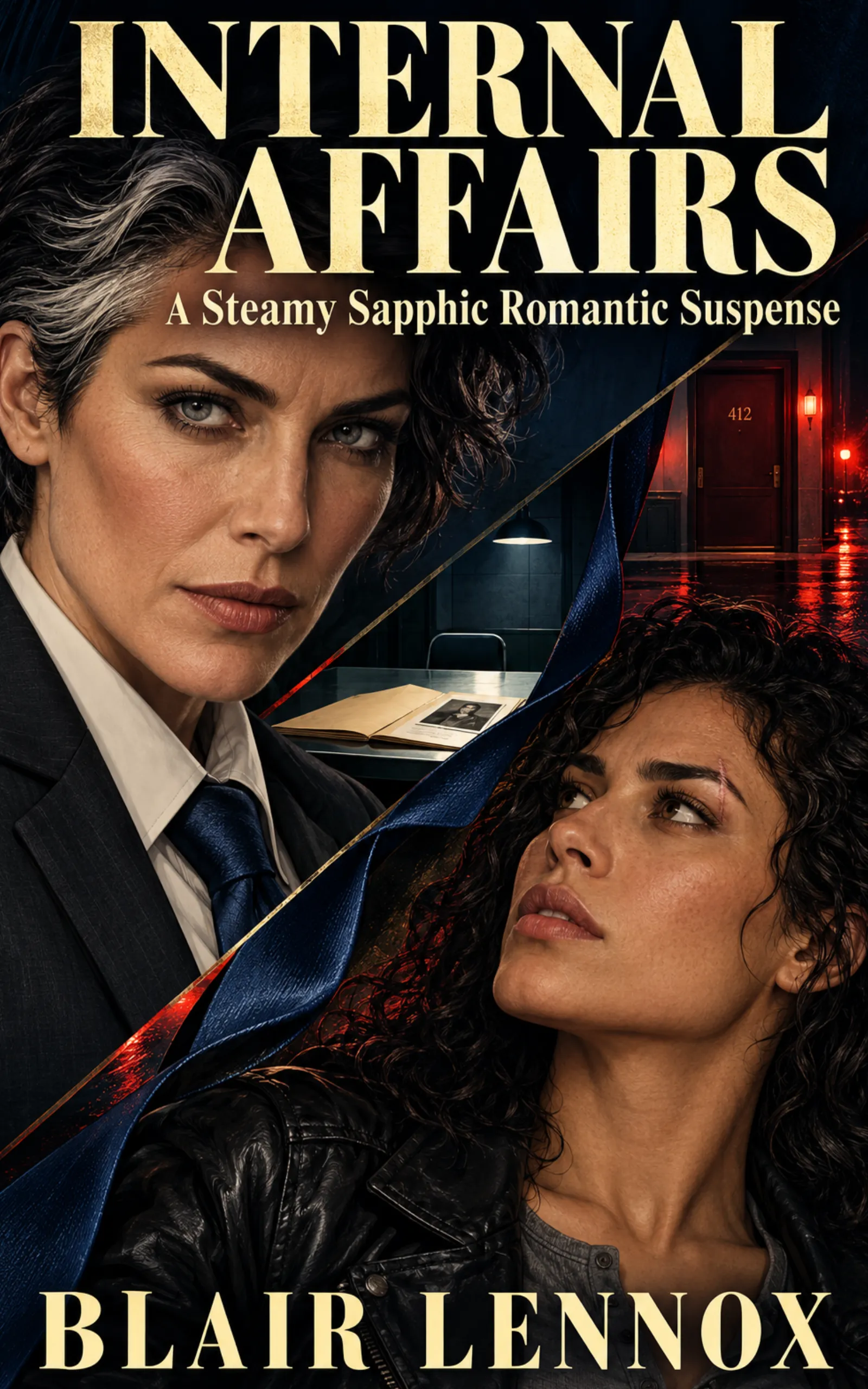
Internal Affairs
Internal Affairs by Aurora North begins with a private relationship colliding with an official investigation: detective Lena Ortiz discovers that Lieutenant Margot Voss is assigned to investigate her. The publisher’s premise explicitly says Margot recuses herself, after which a death and an alibi create further complications.
This is a starting point for readers drawn to professional boundaries, a secret relationship, and conflicting loyalties. Review the notes for police misconduct, a hostage situation, arson, harassment, and other intense material.
Publisher description & reading options ↗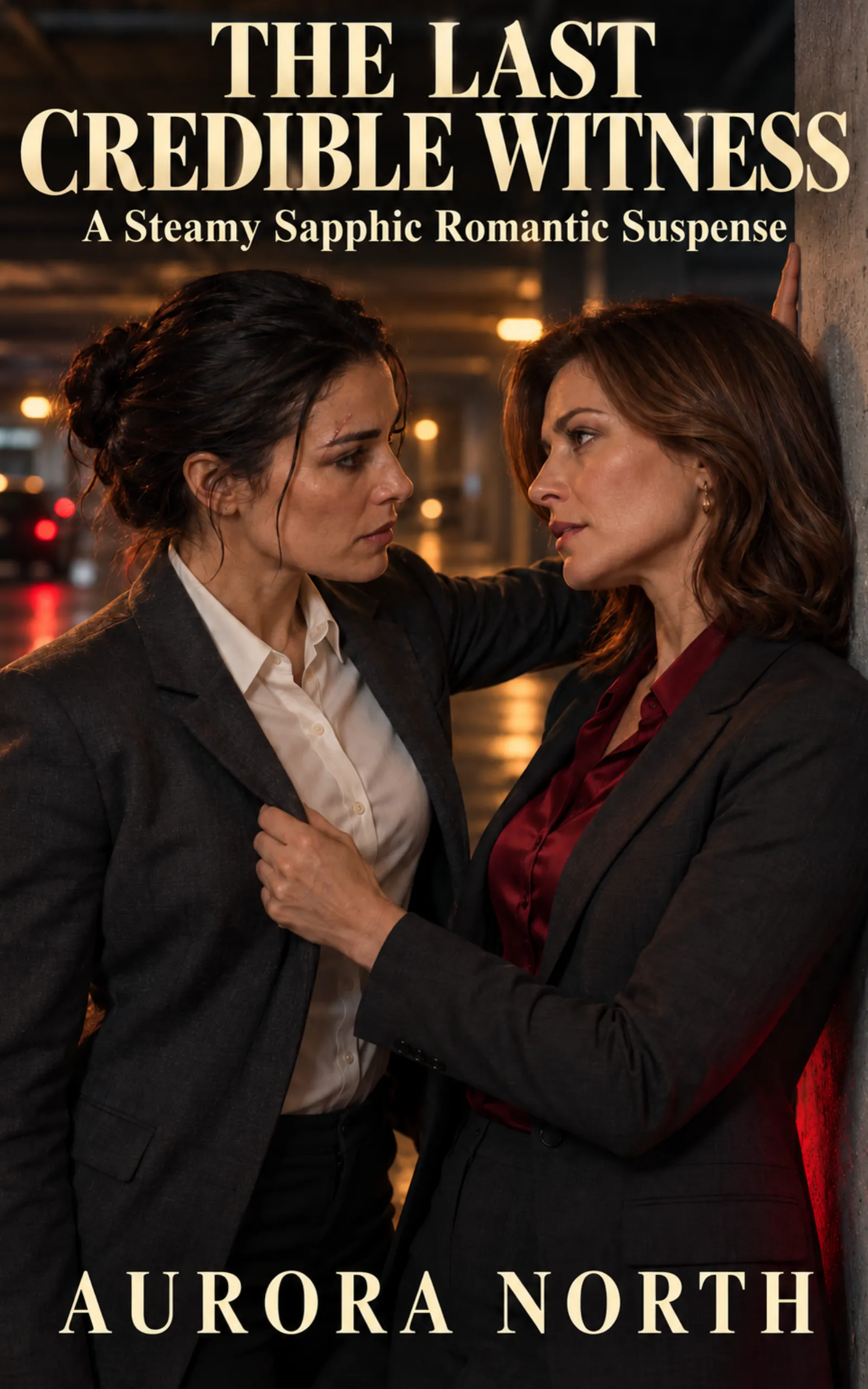
The Last Credible Witness
The Last Credible Witness by Aurora North pairs homicide detective Rachel Dean and defense attorney Laura Bennett, who have an adversarial history around an earlier conviction. A new death and a missing investigator connect them to that history again.
Choose it for professional opposition and the possibility of revising an entrenched judgment. The publisher labels it sapphic enemies-to-lovers romantic suspense and describes a wrongful conviction as part of the setup, without requiring this guide to disclose the mystery’s resolution.
Publisher description & reading options ↗
Cross-Examined
Cross-Examined by Blair Lennox starts with detective Ellis Ward and defense attorney Sabine Mercer already involved in a secret affair. A murder case places them on opposite sides of a professional conflict and brings their private arrangement into public view.
This offers a different relationship structure from a first meeting or a reunion. The question is how an existing private connection functions when the boundaries around work, information, and protection become consequential.
Publisher description & reading options ↗Build a search around your mood
Choose Sapphic · FF, then Romantic Suspense under More filters → Author & genre. Add one relationship trope if it is essential. Read the content notes for the type of danger as well as the heat level.
Find sapphic romantic suspense →Common questions
Is sapphic romantic suspense the same as a mystery with a lesbian character?
No. A mystery can include a sapphic character without making a romantic relationship central. Use the publisher’s genre description and premise to assess how the romance participates in the story.
Does a happy ending mean the book is low angst?
No. An ending promise and the intensity of the journey are separate things. A romance can include significant danger, grief, or relationship conflict before its resolution.
Can I find suspense with established partners rather than a first meeting?
Yes. Secret Relationship and Exes Reunited can help distinguish different starting points, but read the description for whether the couple is new, reunited, or already involved.
These examples come from Fractal Enigma’s catalog and are based on publisher descriptions and tags, not full-book reviews. TropeScout is a Fractal Enigma project. Read the sample and content notes to decide whether a book is right for you.