
What Is the Difference Between a Slow Burn and Mutual Pining?
Slow burn describes the pace of a relationship. Mutual pining describes two people wanting each other while those feelings go unspoken or unfulfilled.
A slow burn asks how long it takes for romantic trust, acknowledgment or intimacy to develop. Mutual pining asks who wants whom during the wait. A couple can be physically involved early and spend half the book secretly longing for commitment. Two strangers can also grow close very slowly without either of them having wanted the other at the start. Readers mean different milestones by “slow,” so the premise matters.
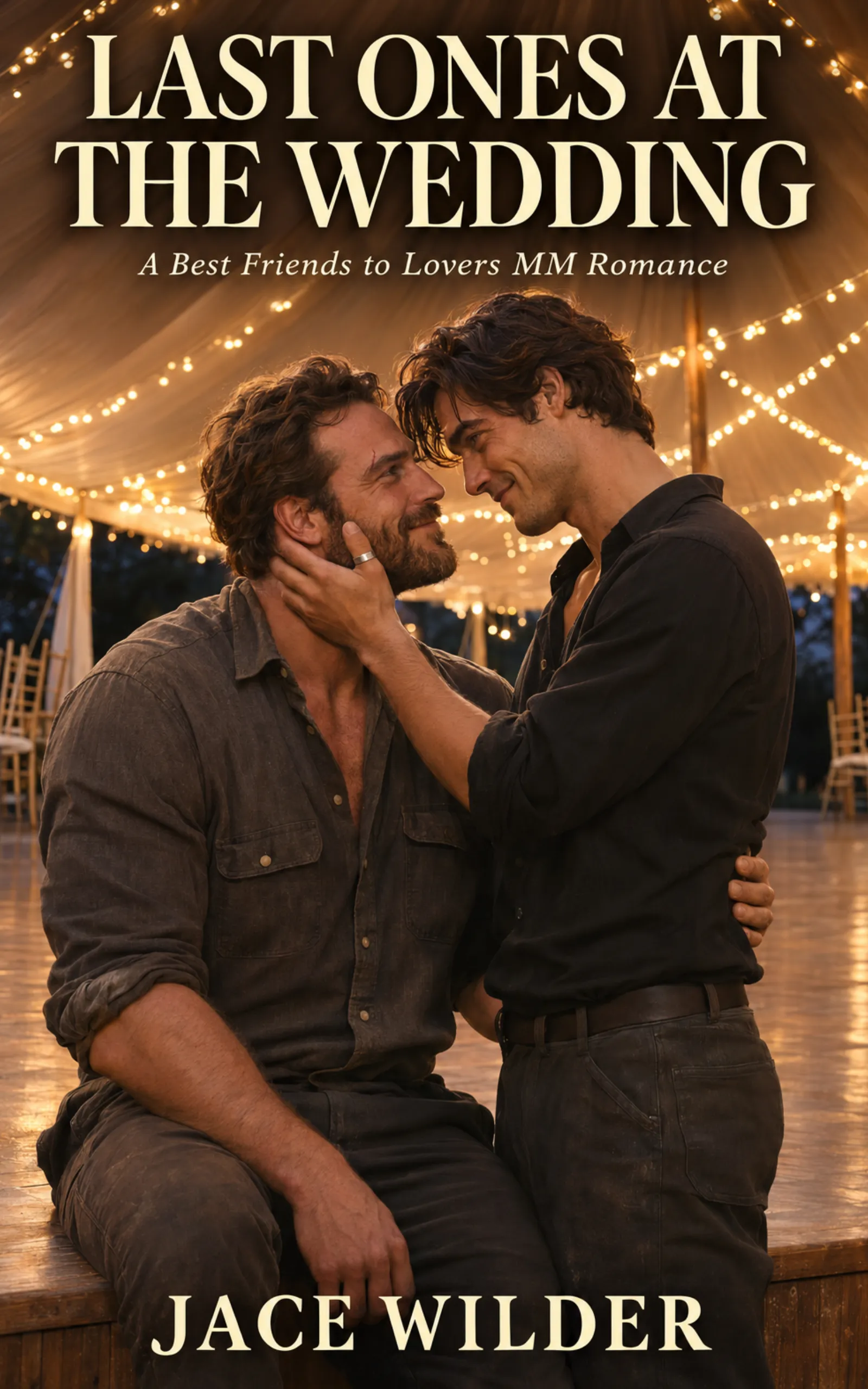
Last Ones at the Wedding
Wedding vendors Trevor and Adam have nine years of shared post-reception breakfasts. Trevor has been in love for five years, while Adam is only beginning to see what their routine means. This is a good example of why years of history do not imply that both people experienced every one of those years the same way.
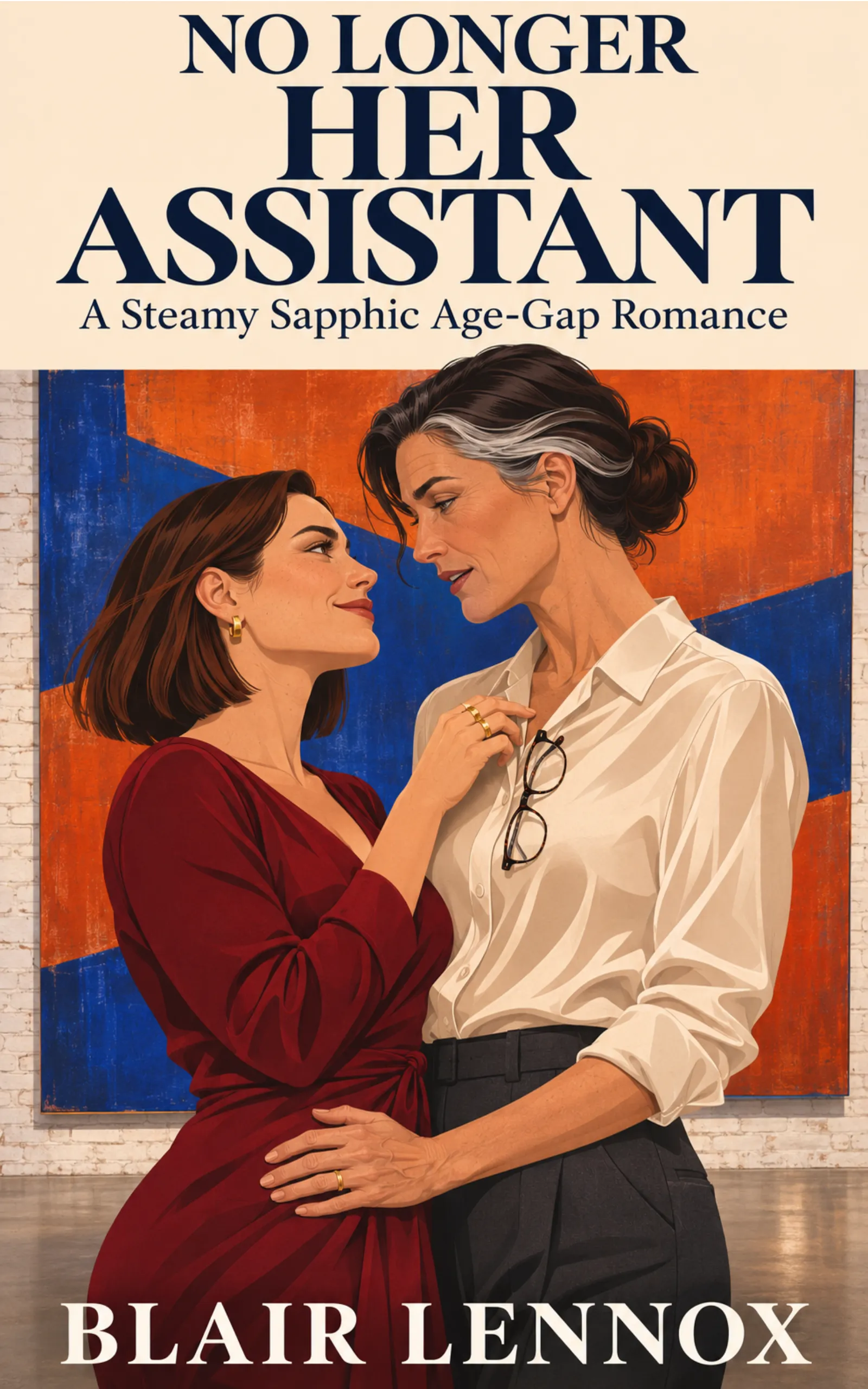
No Longer Her Assistant
Paige knows the small details of Simone’s working day because managing them was her job. Leaving that job changes which expressions of attention feel possible between them. For readers drawn to pining, the most interesting wait can happen after the professional reason to stay silent has gone.

The Bookshop After Hours
Bookseller Eli recommends romances all day and struggles to make a request of his own. Annotated books offer a way to communicate with the carpenter next door. The catalog includes both slow burn and mutual pining here. A reader who wants the overlap can begin with this title and keep both filters on.
How to search for both
Choose mutual pining for the feeling, slow burn for the pace and both for the intersection. In the finder, select both tropes and use the option that requires all selected tags. Keep heat separate. It describes what appears on the page, not how quickly the characters get there.
TropeScout is a Fractal Enigma project. Our catalog selections draw on the publisher’s descriptions and content notes.