
MM reading guide
Small-Town MM Romance: Bookshops, Bakeries, Second Chances, and Found Family
Choose a small-town romance by what home means to its characters—not just by the scenery.
Small-town MM romance uses a close social setting to give a relationship context. The men may share familiar businesses, neighbors, old friends, or a place one of them has tried to leave. Their choices can be visible to people who know their history, while ordinary routines create opportunities for repeated contact and practical care.
That does not make every small-town story cozy or low conflict. A return home may reopen a betrayal; a family business may complicate a move; a familiar friendship may become risky precisely because it matters so much. This guide separates several common versions of the setting and offers publisher-described examples built around bookshops, a bakery, a renovation, and a longstanding pact.
Choose your starting point
| If you want | Look for this setup | Book to explore |
|---|---|---|
| A local business | A bookshop and neighboring carpenter | The Bookshop After Hours |
| Work and domestic routines | Bakery co-owners | Proofing Overnight |
| Returning home | A renovation and a second chance | When You Come Home |
Decide whether home is a comfort, a problem, or a possibility
For one character, the town may represent a life they have deliberately built. For another, it may carry expectations they want to escape. A newcomer may see possibilities that a longtime resident has stopped noticing, while a returning character may discover that the person who stayed has changed.
Those differences create the emotional geography of a small-town romance. A familiar street can feel secure or confining depending on whose perspective you inhabit. The setting becomes more than scenery when choosing a relationship also means choosing how to belong there.
Read the premise for each man’s relationship to the place. Is he returning temporarily, settling down, protecting a business, or planning to leave? That information often tells you more about the central conflict than the town’s picturesque description.
Local businesses can make care visible through routine
A bookshop, bakery, bar, or workshop gives characters a reason to meet repeatedly and a set of practical needs to notice. They learn opening hours, favorite food, difficult shifts, and the tasks someone quietly handles for everyone else. Small acts can acquire weight because the reader sees a pattern behind them.
This can be especially appealing if you enjoy competence and understated affection. A sandwich, a repaired room, or a note may reveal attention without a grand speech. The business can also provide stakes: ownership, overwork, growth, or a decision about what kind of future the characters want.
Choose the particular work setting if it matters to your reading pleasure. Bookshop Romance, Workplace Romance, and Blue Collar are useful clues, but the description should show how the work actually shapes the relationship.
Returning home gives second chances a practical shape
A reunion becomes more concrete when the returning character has a reason to stay for a while: selling a family house, finishing a job, visiting someone, or waiting out a disruption. The person who remained may have responsibilities and boundaries that nostalgia cannot simply override.
For readers who enjoy accountability, this can be a strong structure. The returning man has to encounter the life that continued without him, while the other lead decides whether new behavior changes anything about the old injury. The town’s familiarity can sharpen that question rather than answer it.
Combine Small Town with Second Chance Romance if the reunion is essential. Then read for the cause of the separation. A missed opportunity, a betrayal, and incompatible life plans create different emotional demands even when all lead to a return.
Found family and community approval are not the same thing
Found Family points toward chosen relationships that matter, but it does not promise that every person in the town is supportive. A close setting may contain helpful friends, intrusive acquaintances, difficult relatives, and people who know only part of the story. That mixture can give a romance texture.
If community warmth is part of what you want, look for it in the publisher’s description and sample rather than assuming that a small population guarantees it. Likewise, do not assume every small-town queer romance must center hostility. The source should tell you which pressures are actually part of the premise.
Content notes can help when prejudice, gossip, family estrangement, or public conflict would change your choice. The setting tag alone cannot establish the emotional safety of the reading experience.
Friendship can make a familiar place feel newly uncertain
When longtime friends become romantically involved, they may already share routines and a social circle. The attraction changes not just private expectations but the future of a life that has felt stable. A practical offer—a spare room, a marriage pact, help with a business—can reveal feelings neither person has named directly.
This version often appeals to readers who want the relationship to have a substantial foundation before the novel begins. It can also carry a particular ache when one person has been quietly hoping for more while the other assumes they will always remain available in the same way.
Friends to Lovers, Best Friends to Lovers, Mutual Pining, and Marriage Pact can help distinguish these setups where the tags are present. Read for what each man wants, especially when their future plans differ.
Cozy atmosphere, heat, and conflict are independent choices
A bookshop and a friendly café can coexist with explicit intimacy and a painful argument. A bakery setting can involve burnout. A small-town reunion can carry serious family history. None of that makes the setting misleading; it means atmosphere is only one part of the story.
The examples below are high-heat publisher listings. If you want a low-angst or lower-heat experience, do not let familiar businesses make that decision for you. Read the description, sample, and content notes, and use the heat control separately.
For search, begin with MM and Small Town. Add one relationship dynamic or setting with All selected if it must be present. If results feel narrow, remove that extra requirement before changing the whole trope list to Any, which can include books without the Small Town tag.
Book examples to explore
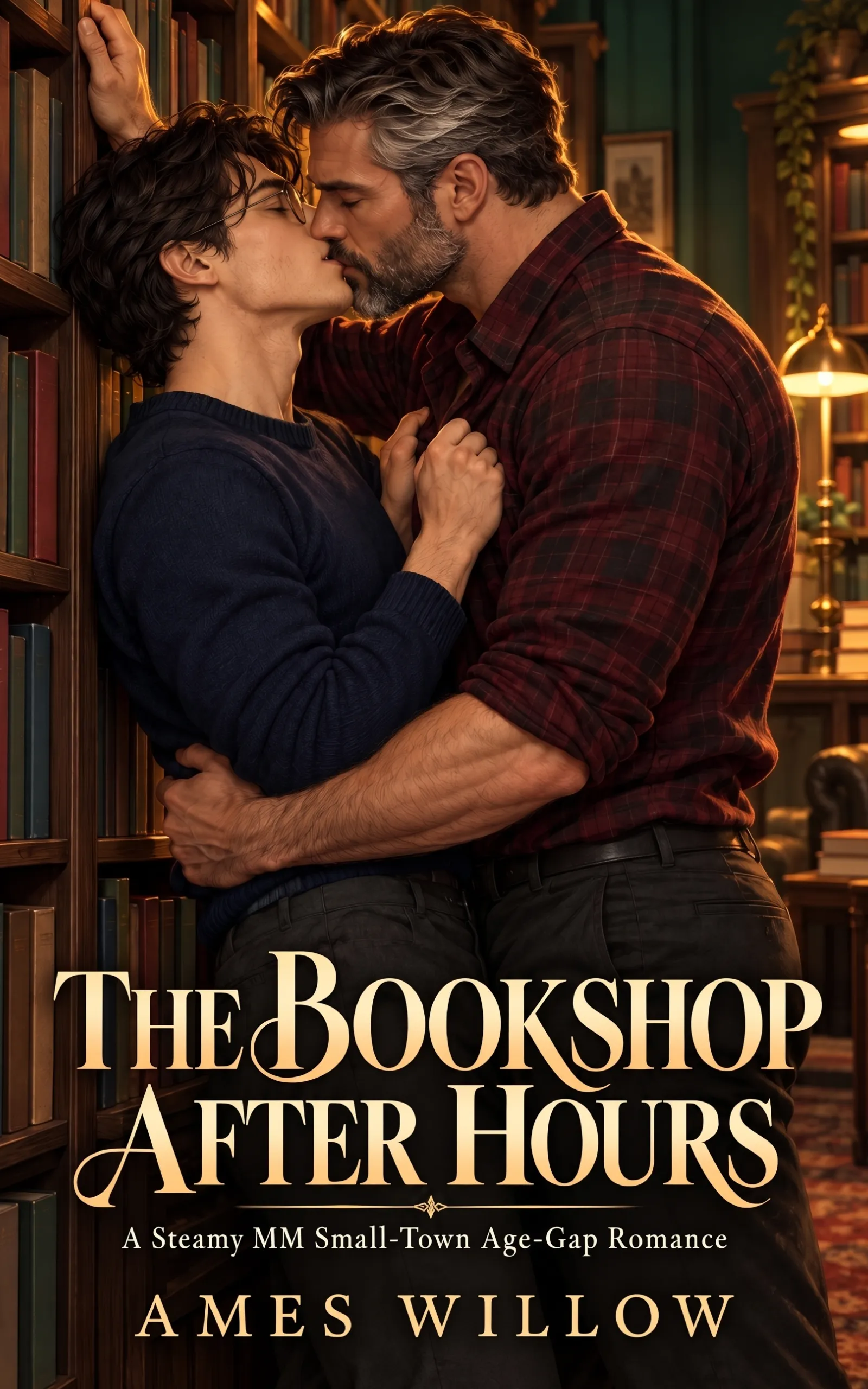
The Bookshop After Hours
The Bookshop After Hours by Ames Willow centers bookseller Eli and carpenter Graham around a reading-room renovation at Bramble & Binding. The listing combines Small Town, Bookshop Romance, Age Gap, and Slow Burn with explicit on-page heat.
It is Book 1 in Bramble Cove and is described as a standalone romance. Explore it for private wishes, shared work, and the question of whether someone who is good at beginnings can also choose to stay.
Publisher description & reading options ↗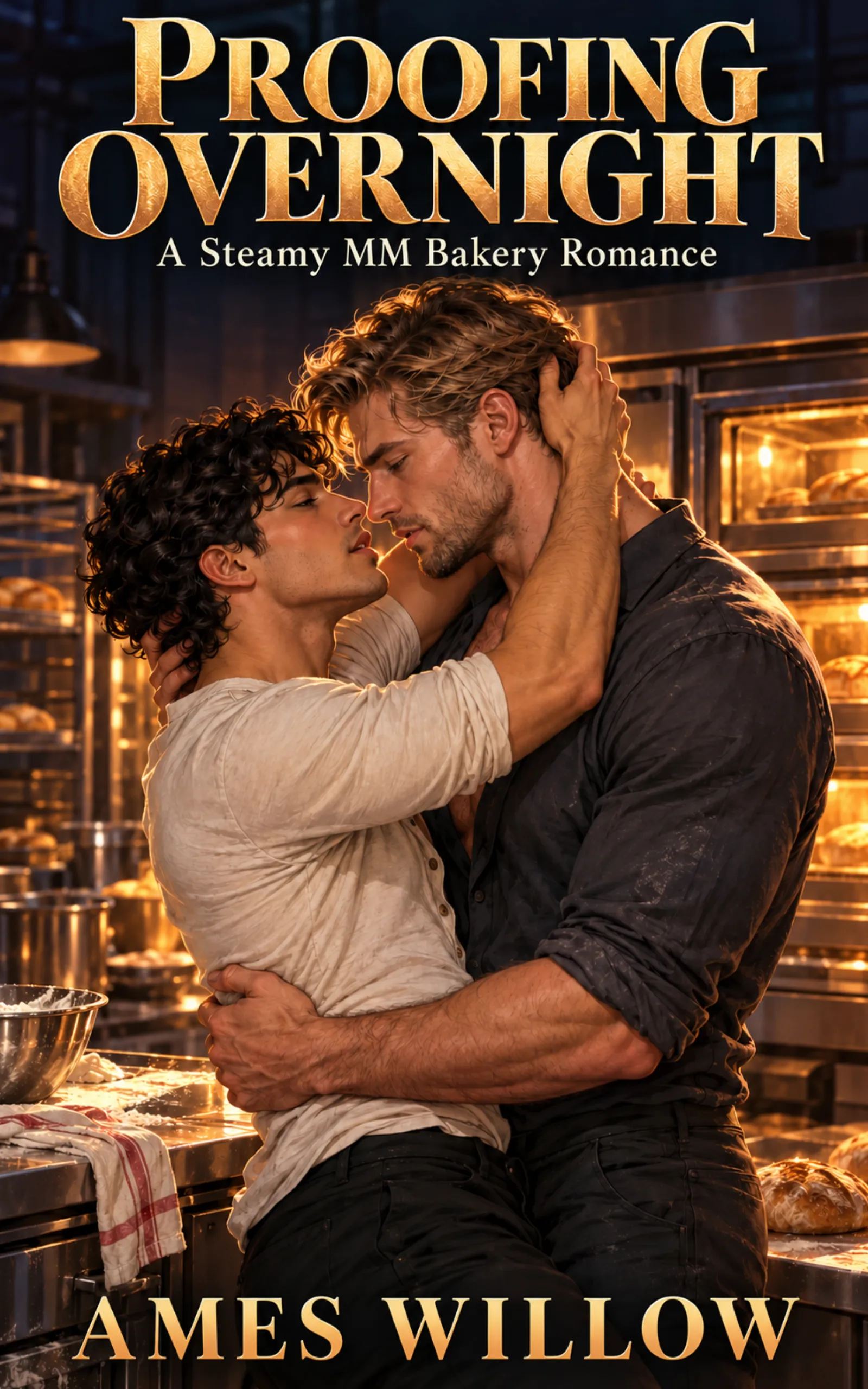
Proofing Overnight
Proofing Overnight by Ames Willow is Book 2 in Bramble Cove and is also described as a standalone. Bakery co-owners Ben and Mateo work opposing shifts; a housing problem creates an unusual shared-bed arrangement, while their business faces a new opportunity.
This offers a workplace-and-domestic version of small-town romance. Practical care and Grumpy / Sunshine are central to the publisher’s framing, but overwork and communication also matter, so the bakery setting should not be read as a promise of no conflict.
Publisher description & reading options ↗
When You Come Home
When You Come Home by Milo Hart reunites estranged childhood friends in Northmere, a northern English market town. A family-house renovation brings photographer Noah back into the orbit of the joiner he hurt years earlier.
Choose it if you want homecoming and accountability rather than simply a charming setting. The publisher explicitly describes a real grovel, a high-heat reunion, and a guaranteed happy ending, with content notes detailing the difficult history between the men.
Publisher description & reading options ↗
You Were Never the Backup
You Were Never the Backup by Milo Hart uses a lakeside town, a bar, and a marriage pact between divorced best friends. One man’s forty-fifth birthday forces the pact into the open, while buying the bar and plans to sail away complicate their ideas about a shared future.
This is a different route to the question of home: the men already belong in each other’s lives, but they have not necessarily been honest about the lives they want next.
Publisher description & reading options ↗Build a search around your mood
Choose MM and Small Town. Add Bookshop Romance, Second Chance Romance, or a friendship tag with All selected when that extra element is essential. Check the series description if you want a standalone within a connected setting.
Find small-town MM romances →Common questions
Does small-town romance always mean low angst?
No. The setting can support gentle routines, difficult reunions, family conflict, or all of those together. Read the premise and content notes for the emotional intensity you want.
Do I have to read connected town books in order?
That depends on the series. The publisher describes the Bramble Cove examples here as standalone romances within the series. For other books, check the individual listing rather than assuming the same structure.
Can a small-town MM romance be high heat?
Yes. Setting and explicitness are separate choices. The examples in this guide are high-heat titles, so use the heat control and publisher notes if you want a different level.
These examples come from Fractal Enigma’s catalog and are based on publisher descriptions and tags, not full-book reviews. TropeScout is a Fractal Enigma project. Read the sample and content notes to decide whether a book is right for you.