
Trope explainer
Fake Dating Romance: Rules, Public Appearances, and Real Feelings
When performing a relationship becomes harder than admitting what it means.
Fake dating starts with an agreement to appear romantically involved without admitting—or initially having—the relationship that other people see. A wedding, family expectation, publicity problem, or practical benefit can supply the reason.
The pleasure is often in the difference between public performance and private feeling. A gesture is supposed to be part of the act. Then one character repeats it when nobody is watching, and the rules no longer explain what is happening.
The agreement gives the story its shape
Good premises make the arrangement understandable: who benefits, who knows, what the participants agree to, and when it ends. Written rules can be especially effective because they give the reader a clear measure of what changes.
The most interesting boundary is not necessarily physical. Introducing someone as a partner, accepting care, or planning beyond the agreed deadline can be just as revealing. Look for the reason the performance becomes emotionally risky for these particular characters.
Fake dating is not always a marriage of convenience
Fake dating usually concerns how a relationship appears to others. A marriage of convenience involves an actual marriage entered for practical reasons, even if romantic attachment is not initially the goal. A fake-marriage setup may instead involve people pretending to be married without a legal ceremony.
Descriptions use these labels with varying precision. If a real legal marriage matters to your reading preference, check the premise rather than treating Fake Dating, Fake Marriage, and Marriage of Convenience as interchangeable.
Book examples to explore
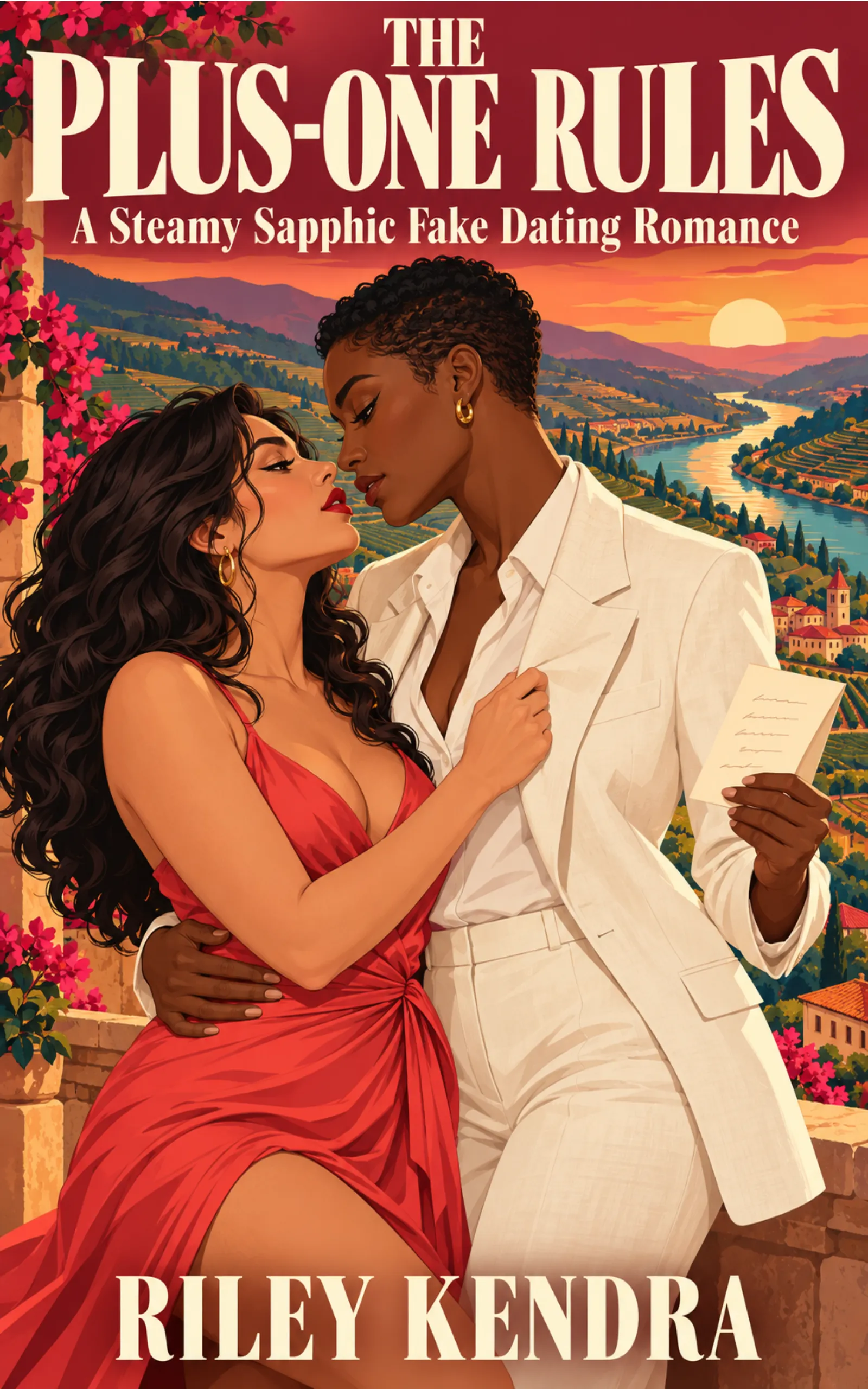
The Plus-One Rules
In Riley Kendra’s The Plus-One Rules, Romy names her best friend Del as her girlfriend before a family wedding. Their rules address public affection and a shared bed, but the existing friendship gives the performance emotional weight. It combines Fake Dating with Friends to Lovers and Only One Bed.
Publisher description & reading options ↗
Honeymooning With My Best Friend
Honeymooning With My Best Friend, also by Riley Kendra, starts after a cancelled wedding. Tessa takes Morgan on the honeymoon, and a resort mistake has them pretending to be married. The premise is useful for distinguishing a performed marriage from an actual marriage of convenience.
Publisher description & reading options ↗
Damage Control
Tessa Valehart’s Damage Control moves the arrangement into a Formula One publicity problem. Strategist Priya and driver Max agree on appearances and public contact. The professional agreement makes the distinction between paid work and personal feeling central to the premise, giving the trope a different pressure from a family wedding.
Publisher description & reading options ↗Build a search around your mood
Start with Fake Dating. Add Friends to Lovers for an existing bond, or a setting such as Wedding Romance or Sports Romance if that matters more. Use the description to check who is pretending, who is being persuaded, and whether money, employment, or family pressure is part of the arrangement.
Browse fake-dating romances →Common questions
Do fake-dating characters have to be strangers?
No. Best friends, colleagues, rivals, and strangers can all make the agreement. Their starting relationship changes what they stand to lose.
Does fake dating automatically mean romantic comedy?
No. The setup can be playful, emotionally intense, or tied to serious outside pressure. Genre and the specific premise are better guides to tone.
These examples come from Fractal Enigma’s catalog and are based on publisher descriptions and tags, not full-book reviews. TropeScout is a Fractal Enigma project. Read the sample and content notes to decide whether a book is right for you.